Link to the audio version of this post is HERE
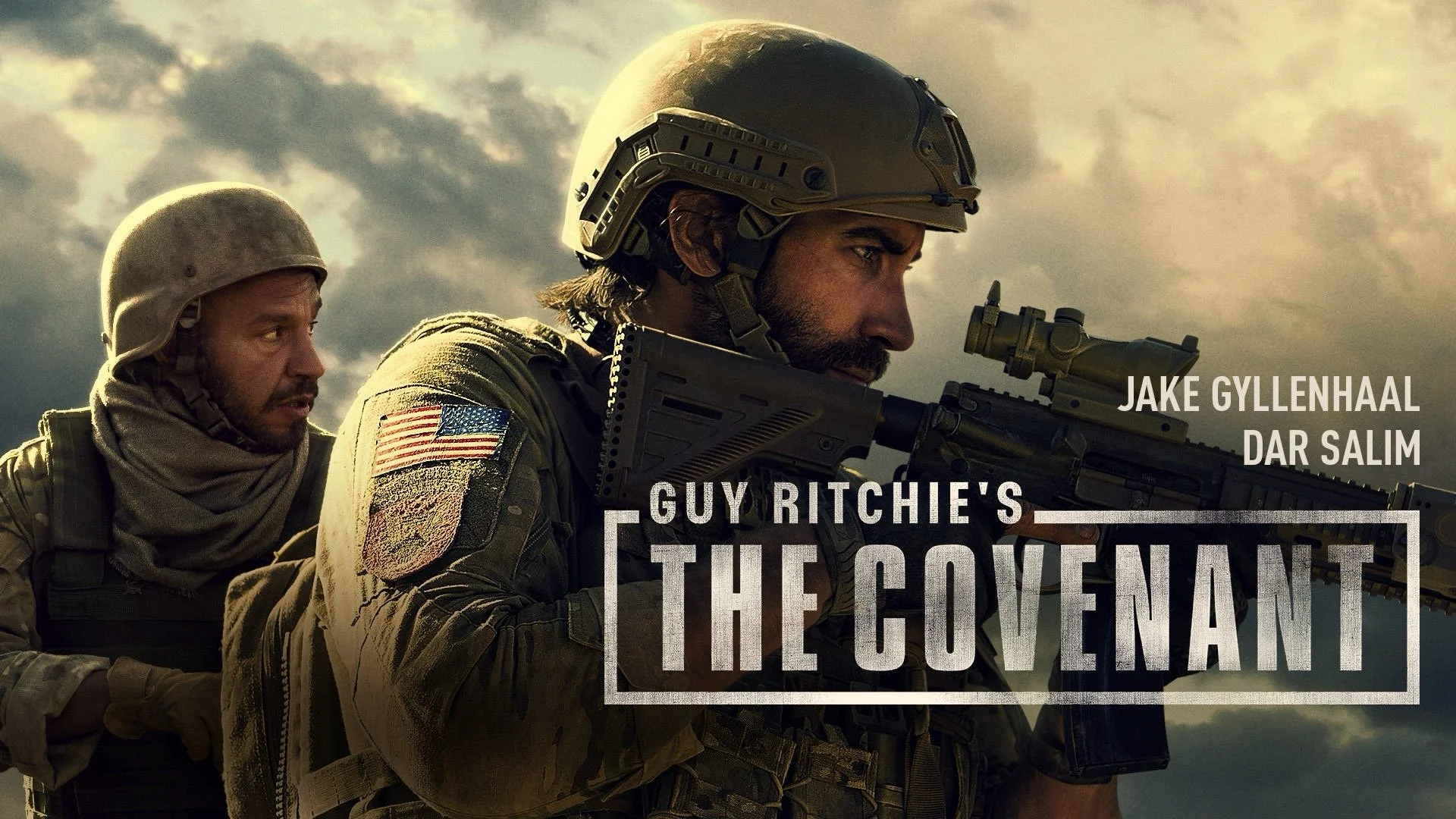
I was hoping that last week’s The Punisher: One Last Kill would give me the opportunity to pay tribute to the holiday here in the US this weekend. But since it was a major disappointment, I found myself reaching for a movie that I’d seen once before and have been holding off on a rewatch until I had a chance to share it with you. Memorial Day is the traditional curtain raiser for the summertime, so don’t worry, we’re going to get to light summer fun starting next week. But before we get to the more family-friendly fare, the things to distract your kids with, and, well, probably some R-rated comedies for the grown ups, since we’re in the midst of another war, and Memorial Day is a day to honor those fallen in service, I think it’s time we talk about 2023 R-rated war movie Guy Ritchie’s The Covenant, streaming on Prime Video. Let’s get into it.
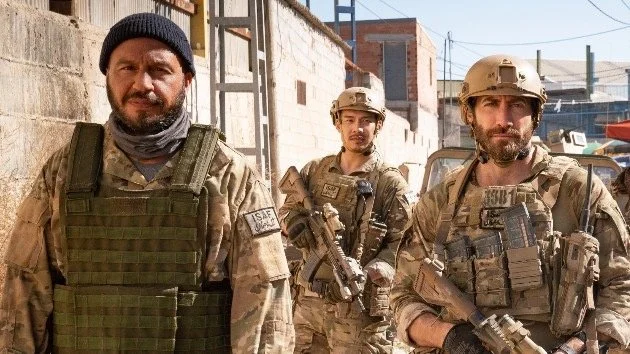
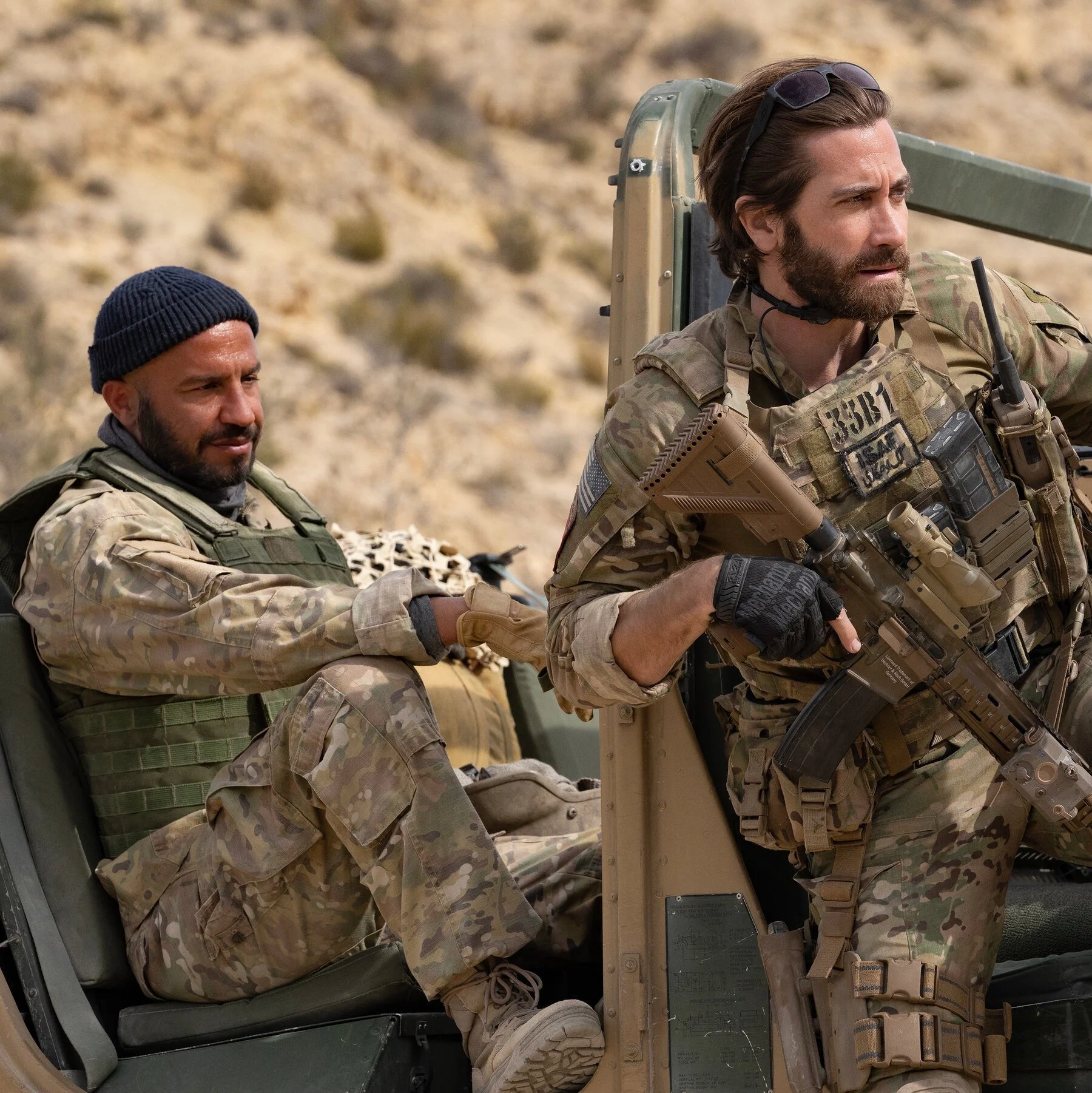
We start in Afghanistan in 2018. Master Sergeant John Kinley, played by Jake Gyllenhaal (Prisoners, Nightcrawler), meets his new interpreter Ahmed Abdullah, played by Dar Salim (Game of Thrones). Ahmed tells Kinley he’s doing the job for the money, but in reality, he has an axe to grind with the Taliban. The job, by the way, entails being the person who takes point in every conversation with Afghani locals, which is something Kinley and his squad have to do a lot because they’re on the very dangerous hunt for Taliban munitions. They’re looking for caches of weapons and explosives, and what they call IED factories. Every encounter is tense, including ones between Kinley and Ahmed. There isn’t a lot of trust between the two and it gets tested time and time again. Ahmed is smart, intuitive, and deliberate, and above all else, he trusts his own judgment. This causes the two of them to butt heads on more than one occasion; the chain of command isn’t something that the military takes lightly and when Ahmed challenges Kinley’s authority, it isn’t taken very well. It’s hard to be frictionless in a military structure when you’re not so good at taking orders. But they make a good team, despite the difficulties. Kinley isn’t what I’d call by the book, but he seems to care about getting the mission done and getting dangerous explosives out of the hands of the Taliban.
Three minutes. All it takes is three minutes. It doesn’t seem like a lot of time, but in the span of three minutes, a successful mission turns into a hellish nightmare from which many of Kinley’s soldiers will never awake. They call in for backup, but in the time it takes for the QRF to arrive at their location, 3 hours away by Humvee, it’s all over. Dozens are left dead, Kinley and Ahmed are nowhere to be found. In those three minutes from the moment a fuse is lit to the moment it goes off, Kinley and Ahmed end up desperately on the run from overwhelming Taliban forces. Stranded, alone, and over 100 kilometers over rough terrain away from safety. All while hundreds of armed men are hunting them down. They are in extreme danger, suffice it to say.
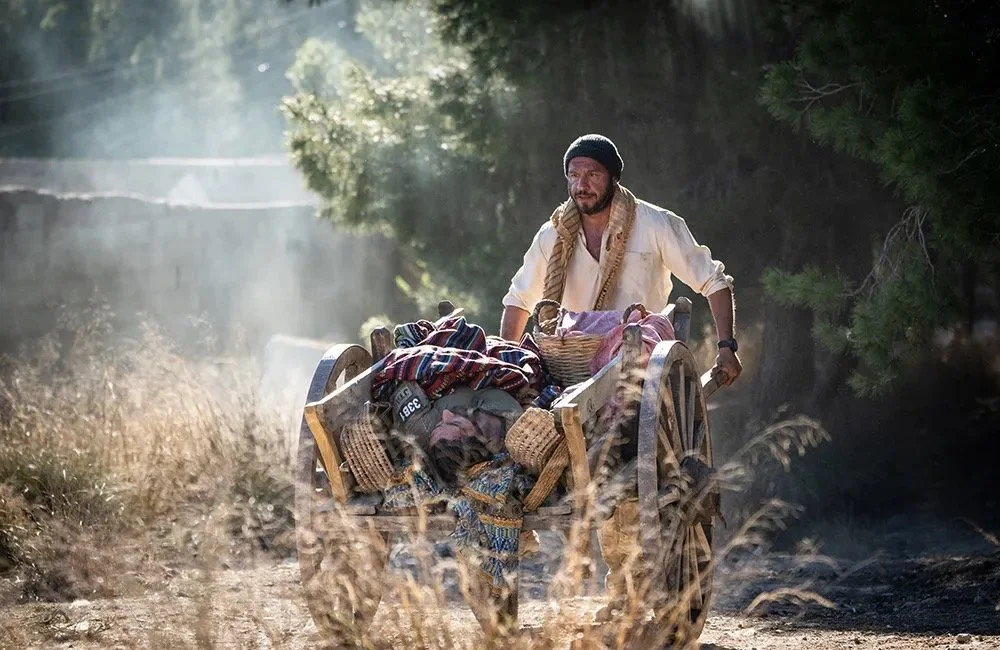
There’s a moment when Ahmed has a chance to get away from everything. They’re ambushed after trying to find some shelter for the night. Kinley is gravely wounded and captured. Surely better off on his own, in his own country, Ahmed could easily have shed his military uniform and tried to disappear. But he doesn’t. He doesn’t slip away. He doesn’t try to disappear. He doesn’t leave Kinley to the Taliban for a better chance of survival. The thought doesn’t even cross his mind. He rescues Kinley, tends to his wounds as best he can in the field, builds a stretcher, and starts on the arduous journey to Bagram Air Base, their only safe haven. This is a journey fraught with enough dangers that you would expect some sort of Fellowship to undertake it, but instead it’s just one man, dragging behind him the barely living body of a man he doesn’t even seem to like.
In my notes, I usually mark when the acts end, but I found something strange about the narrative structure of this movie. This might be my film nerd coming out, but there’s something about The Covenant that feels like it doesn’t follow a standard three act structure. Rather, it feels like a movie of two halves. The first half of The Covenant is in Afghanistan. The second half takes place later, after Ahmed drags a barely alive Sgt. Kinley back to base and he recovers and goes home. The US pulled out of Afghanistan in 2021 and the Taliban took over almost immediately. There’s something I neglected to mention at the top, which the movie illustrates through a series of chyrons at the beginning; interpreters for the US military were promised eligibility for special visas for them and their families to the US. These are people who put their own lives and their families’ lives in danger to help the US fight the Taliban; even without the Taliban’s resurgence, staying in Afghanistan would be very dangerous for them, as the movie notes at the end. When the movie was released, over 300 interpreters and their entire families have been murdered by the Taliban, with thousands more in hiding, waiting for their visas. And news filters to Kinley that Ahmed and his family are one of them. He spends weeks on the phone, running into wall after stonewall and it’s eating him alive. Kinley got a medal. Kinley went home to his family. Kinley sleeps in a warm bed and kisses his children goodbye as he sends them to school in the morning. He is safe. His family is safe. The man who brought him home is living in a hole somewhere, with his wife and infant child, not knowing if he’d see the sunset on any given day he’s lucky enough to wake up.
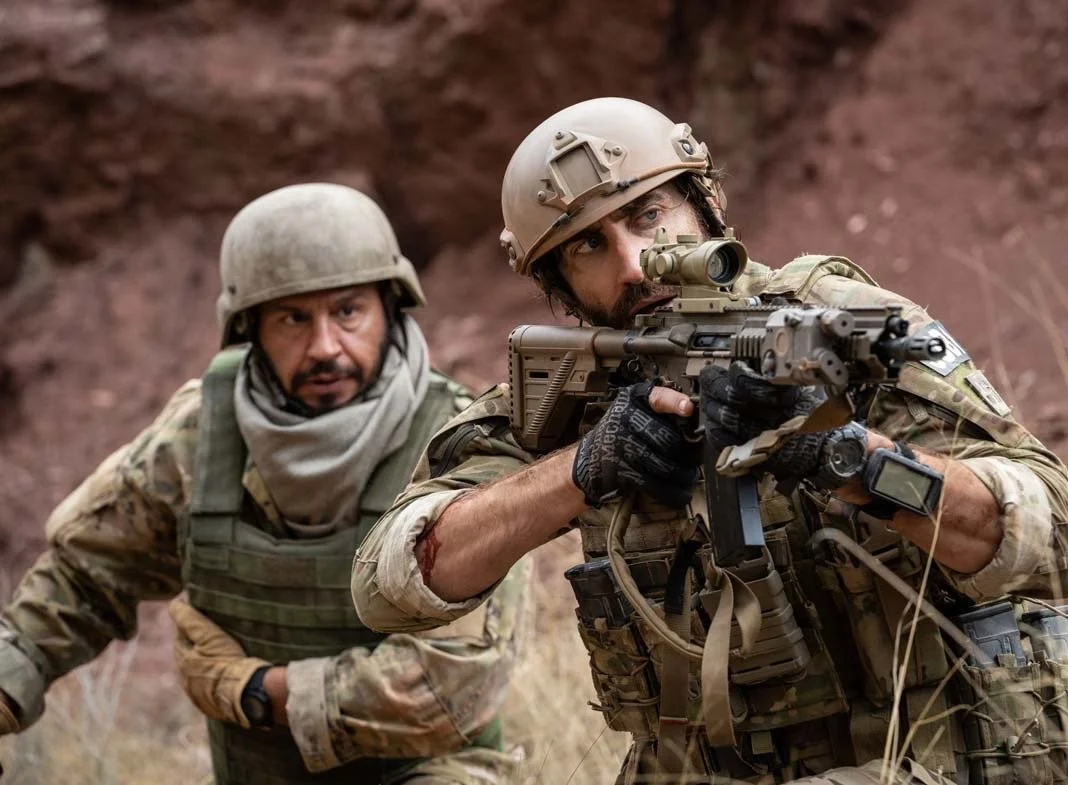
Kinley can’t take this. Call it honor, call it duty, call it a good man doing the right thing, but he calls it a debt. A debt that can only be paid one way. After weeks of being stonewalled, Kinley decides the only thing he can do is go get Ahmed himself or wait for confirmation of his death. He has no question about what needs to be done. He will stop at nothing to get Ahmed and his family to safety. Gyllenhaal gives a moving speech about what it means, about what is killing him day by day, and when push comes to shove, he can’t live without doing something about it. So he goes. He leans on his military contacts, they hire a PMC to support his operation (played by Antony Starr, whom you may recognize as Homelander from The Boys), but at the end of the day, he’s on his own. He has to walk into enemy territory where he is a wanted man because Ahmed’s tale has turned them both into folk heroes for those who oppose the Taliban and a symbol of failure for those who support the Taliban. A mistake. An embarrassment. What follows is a breathless race against time, against certain death that can come at any moment. There is no time to waste, every single moment is borrowed and past due.
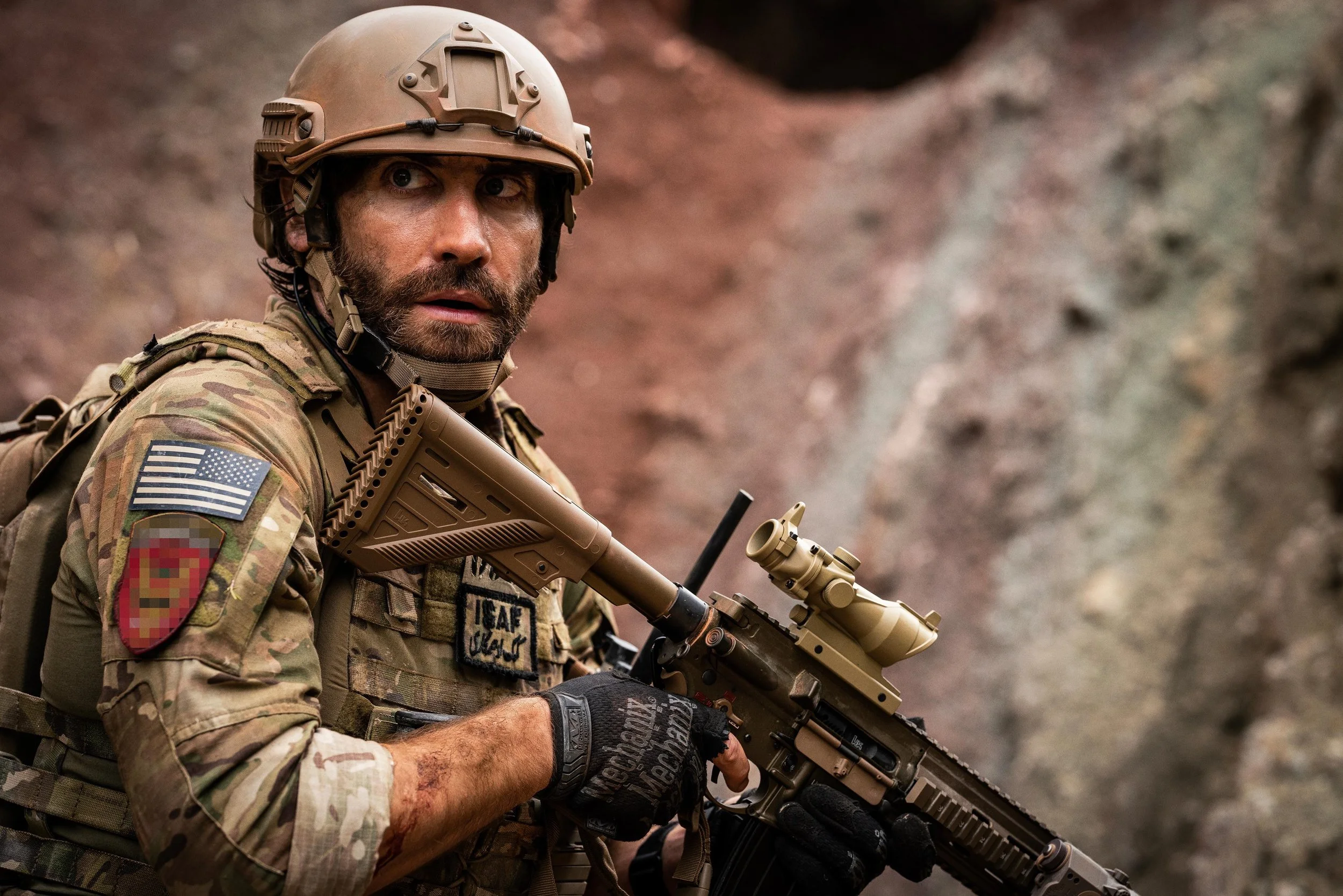
The Covenant is also a wonderful acting vehicle. It’s true that some of the writing, especially in the first half is a little clunky. It’s full of matter-of-fact toxic masculinity, with the soldiers getting into each other, but I would struggle to say it feels inauthentic. Obviously, I’ve never been in the military, so I can only judge off the movies I’ve seen and veterans I’ve known, but this kind of banter among the men seems normal, even if it is a bit cliched. And there were a couple of moments where I would’ve used a contraction to make it seem more natural, but Ritchie decided to go for impact instead. But overall, the acting in this movie is top notch. There isn’t much to do for the supporting cast; most of them die in the first half and you get to know little of them beyond their nicknames like “Chow Chow” and “Jizzy”. But Jake Gyllenhaal continues to impress over and over again. I mean, look at this guy’s CV and you’ve got great performance after great performance. Nightcrawler, a movie I probably would never watch again because it’s just a little too honest about society, was made irrepressible by Gyllenhaal’s performance. Brokeback Mountain, Prisoners, End of Watch, Zodiac, Donnie Darko, hell, even his role in Spider-Man: Go Home, You Can’t Go Home Again was acted very well. So this this doesn’t come as a surprise if you’ve been paying attention to his career, but it’s so nice to see him pulling off a military role after the absolute snoozefest of Jarhead and being so good at it.
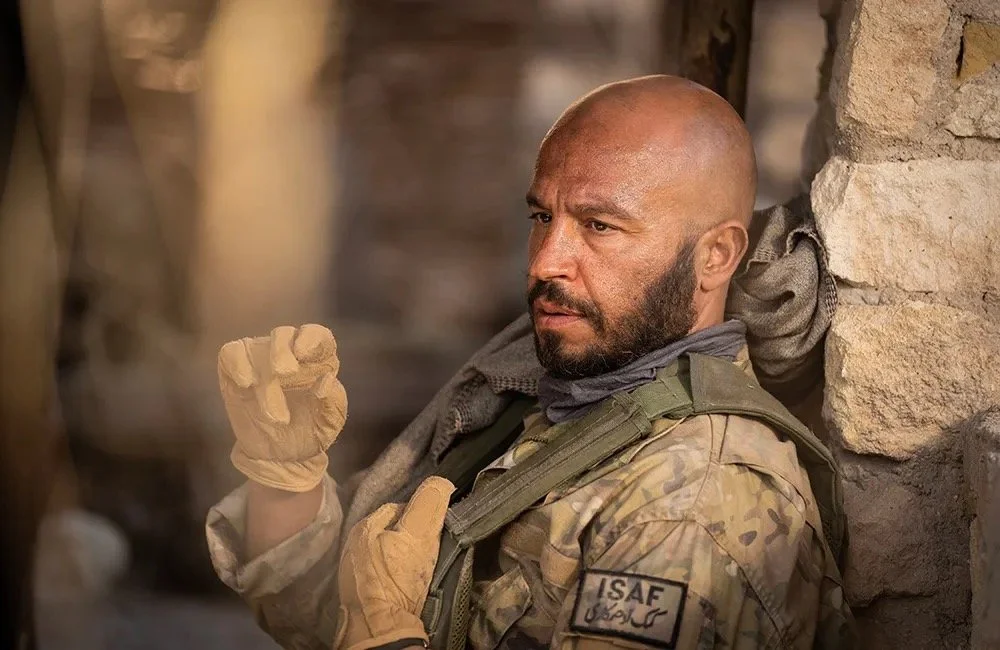
But the true hero of this film is Dar Salim. In a way, being a relative unknown really helps you lose the actor in the character. IMDB tells me that he was in Game of Thrones, but so many people were in Game of Thrones and didn’t make an impact because the cast was so big and many of the roles were so small, it’s impossible to remember him. I might have been in Game of Thrones at some point and not even known it. But whatever he’s worked on in the past, The Covenant makes me wish I could see more of him. It also reminds me that in Hollywood, seeing an actor who looks like him in a starring role as a protagonist is exceedingly rare and I may never get to see him again in a role anything close to this quality in a world where billionaires melt down over the casting of non-white actors for mythological roles. Case in point, he was in the spin-off of The Terminal List, a show that was so bad I gleefully took it down and offered alternatives way back in 2022. Now, I haven’t seen Dark Wolf, but I’m wagering it’s not a series commensurate with his talent. But fixing racial bias in Hollywood and the world at large is out of the purview of this particular blog post. Maybe I’ll get to it after the summer, but for now I’ll just try to enjoy the fantastic performance of Dar Salim in this movie.
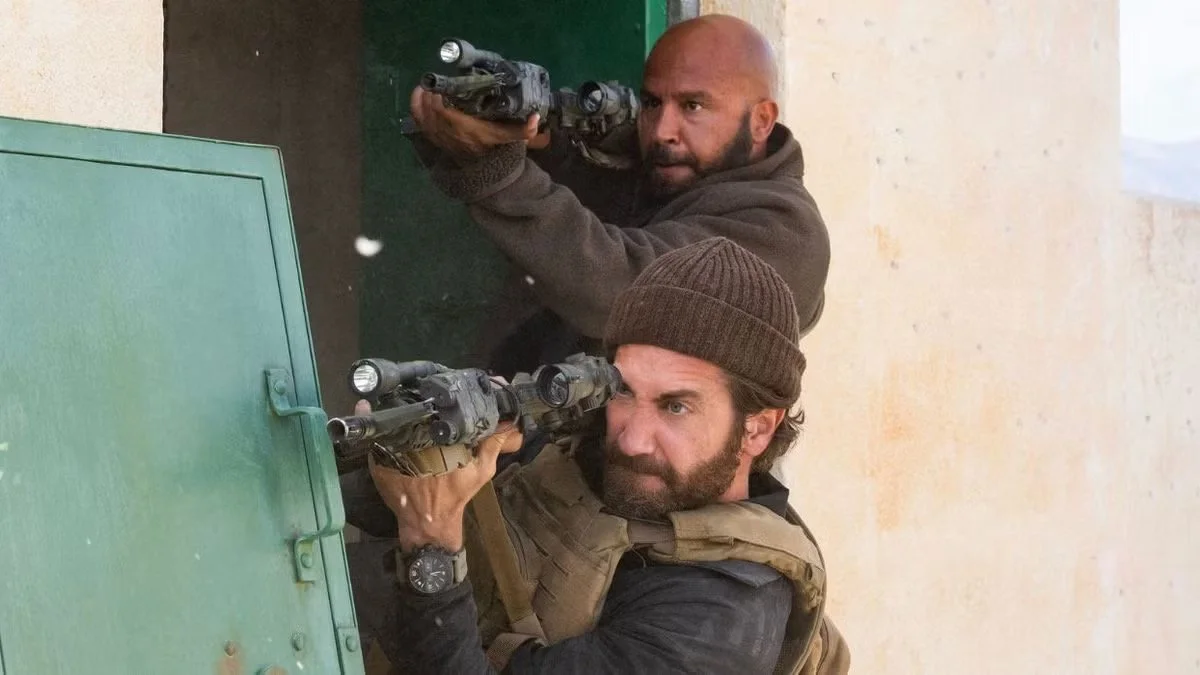
This is a surprisingly quiet film. Even the action sequences are scored with operatic music that ratchets up the tension. No silly, mismatched music to undercut the danger of the scene here. It has great action, but it’s not about the action. Even the explosions lack that bass punch you’d expect in a modern action film. The sound of a crying baby pierces through the air more sharply than the crack of a gunshot. And even though they do sneak in a few shots that look like that one Call of Duty mission where you’re in the AC-130 Spectre gunship, this movie couldn’t be any less interested in the ins and outs of the gunplay. Rather, it wants you to feel the tension, the fear, the dread, the apprehension of these men. It doesn’t care about blood and gore, even if there is brutality in survival. All that matters is the debt; what is owed, who we owe, and what we are willing to do to pay what we owe. The Covenant is Ritchie’s most ambitious and best project yet. I grew up on Lock, Stock, and Two Smoking Barrels and Snatch, Shakespearean tragedies written as comedic films about modern day London gangsters. I love those movies. I endured the Robert Downey Jr. Sherlock Holmes films. I watched him flounder trying to get his style back with The Gentlemen and its spin-off series. I saw him experiment with bleakness with the well shot, but narratively unsatisfying Wrath of Man. But this is new for him. Depth. Contemplation. Hope. And it’s a damn good look for Guy Ritchie.
So as the barbecues cool down and the cookouts come to an end, if you want to take 2 hours and 3 minutes to reflect on the meaning of this particular day off work and think about what it means in regards to the sacrifices soldiers have made, The Covenant is a fantastic movie to sit with. We can disagree about war, we can hate that we go to war, we can hate the reasons we go to war, but we can still honor the sacrifices of those asked to give it all, whatever the reason. I wanted The Punisher: One Last Kill to do this, but it ignored the deeper parts of that story in order to deliver hollow violence. The Covenant does the opposite; its use of violence punctuates its message, it doesn’t replace it. We are all connected and all life matters. Not just these two. Not just because Ahmed saved Kinley’s life. When I was a boy, my mom would tell me that her mom said it was a sin to go to bed with a full stomach if your neighbor has an empty one. And fundamentally, The Covenant is about that idea. It’s about decency and humanity; about what it takes to be able to sleep at night when others are in peril and you can do something about it. Especially if you contributed to the cause of it. Society is a constant push-pull of the individual and the collective; the need for a single person to remain singular and still part of society is hard to reconcile not just in media, but in your own personal life. The Covenant is a worthy film that looks at what we owe, not only to those who sacrifice, but to each other in general.
